Thursday, 15 August 2013

Forsinard farewells

Well the memory card has recovered from its aquatic adventure and I'm now able to bring you exciting photos from the first 'Fish Day' on Tuesday! Woo yay!

We were joined by Colin Bean from SNH who was up to train the RSPB staff in how to catch and anesthetise brown trout in the reserve lochs for a mark and recapture project to get an idea of fish numbers. There were 7 of us which was just as well as the seine net we were casting was 40 meters long!

Argo beats the boggy ground
 Equipment included:
  • Argo 8x8 for getting the stuff across the bog
  • inflatable dinghy + oars
  • scales, forceps, scissors, measuring board, bags etc
  • 40m seine net
  • gill net
  • various small nets
  • 4 big dustbins and several small buckets
  • recording equipment
  • waders, drysuits and lifejackets
As you'd imagine it was a full on job - the gill net was set up first and left out all day while we did four casts of the seine. The first two produced 1 trout in each which wasn't that great but better than nothing, then nowt in the third, however on the fourth and last cast a mighty haul of 60-odd brown trout were landed and needed to be processed fast.

"We're gonna need a bigger boat"

Smiley happy fishermen

Ready for piscine action

Colin, Mark and Graham paying out the net

Mark and Claire pulling it back in

First catch of the day

...and they kept coming


Unfortunately because it was a fairly sunny day the water temperature was quite high and the fish in the bins were not too happy even with the oxygen pumps going, so sad to say we had a few casualties before we got them processed. However today we had caught 51 and we had far fewer fatalities as the production line was much slicker! Fish were placed in a bucket of dental anesthetic and when they were sufficiently woozy were then measured, weighed, had their adipose fin clipped and scales taken before being placed in a recovery tank and finally released. I might get some of the photos of the fin snipping and today's shenanigans to show you at a later date.


Going back to Saturday I had got the train up to Thurso for the day to have a toddle about and see what I could see. There wasn't much in the way of beachcombing finds but I did spot this graffiti -

Original Banksy in Thurso?
 I've no idea if it's genuine or not. I did find a whole undamaged urchin shell and was planning to take it home but it was far too brittle and ended up breaking in my pocket.


Tomorrow is my last day at Forsinard Flows reserve and I'm a wee bit sad to leave to be honest, even though the work has been tough at times I've had an enjoyable stay, probably got a bit fitter and met some great people. I've already decided I'll be back next year and hopefully help out on some more invert and fish work!

Forsinard Station and RSPB visitor centre

The lovely horse from across the road
Sphagnum, it's everywhere
Also tomorrow I'm back on dipwells in the forestry - yay! Here's a lovely dappled sunlit photo of one from yesterday.
An absolutely stunning example of a dipwell in plot DK3

Always go out on a funghi

Tuesday, 13 August 2013

Forsinard Beasties

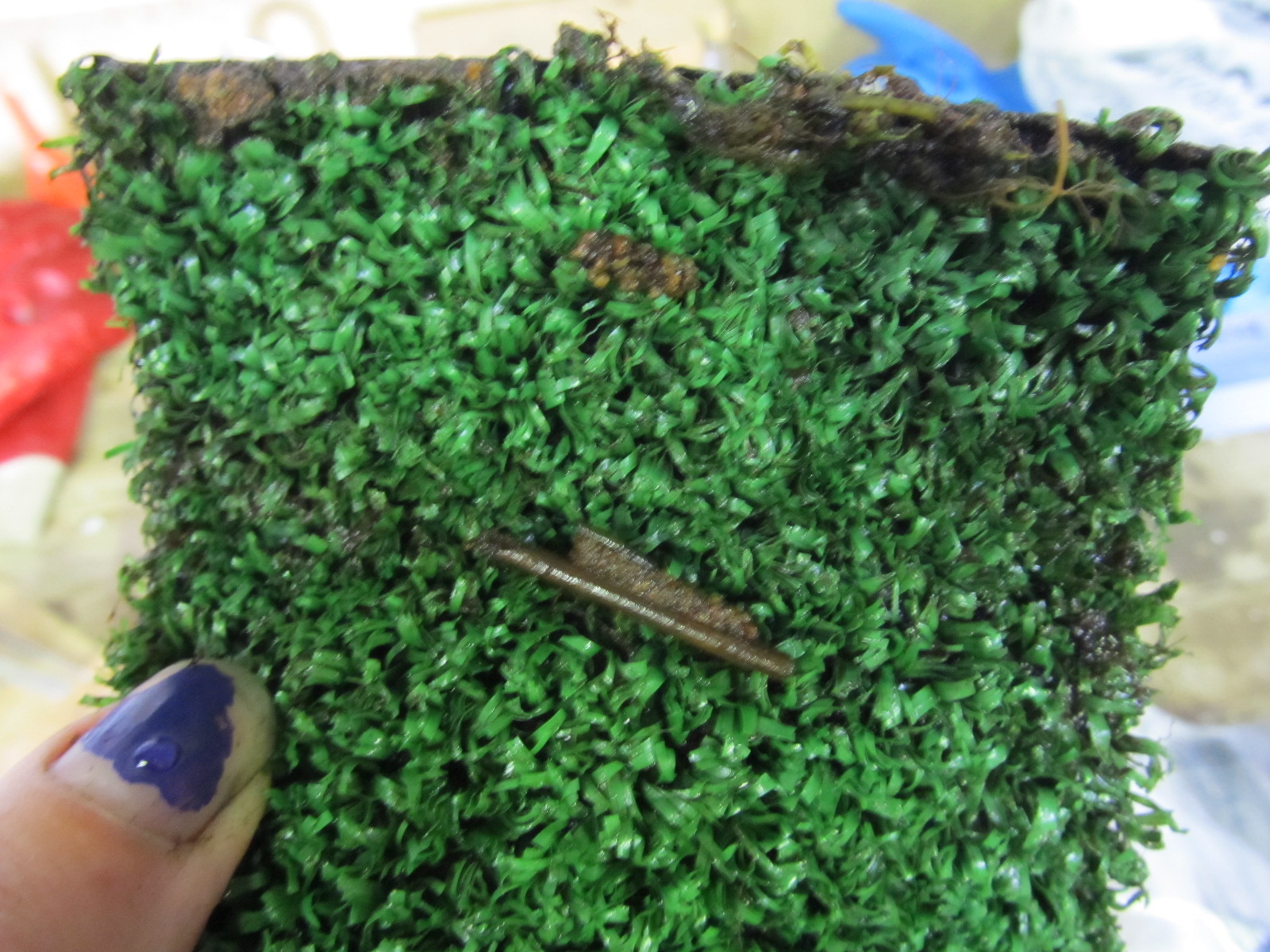
Hi folks, today I can only provide pictorial evidence of my endeavours for Friday's work, as today while catching fish in a seine net I managed to drop my own and someone else's camera into the loch. Ahem. So it's drying out for a couple of days. Anyway on Friday I was based at the Keepers cottage shed (which is quite a large shed) sorting through the colonisation traps that we brought in from Clar loch last week. It involves unrolling the little rectangles of astroturf that have been in the loch for 6 weeks, sloshing them about in a shallow sorting tray, then picking through the murk to find any inverts, and plonking them in a nice little tube of alcohol where they can die happily drunk. I think it's been my favourite activity so far, and one that I'm really comfortable with having carried out a few kick sample surveys myself in the Kelvin. Plus I got to listen to my music while I was working :)

Sorting inverts to Opeth

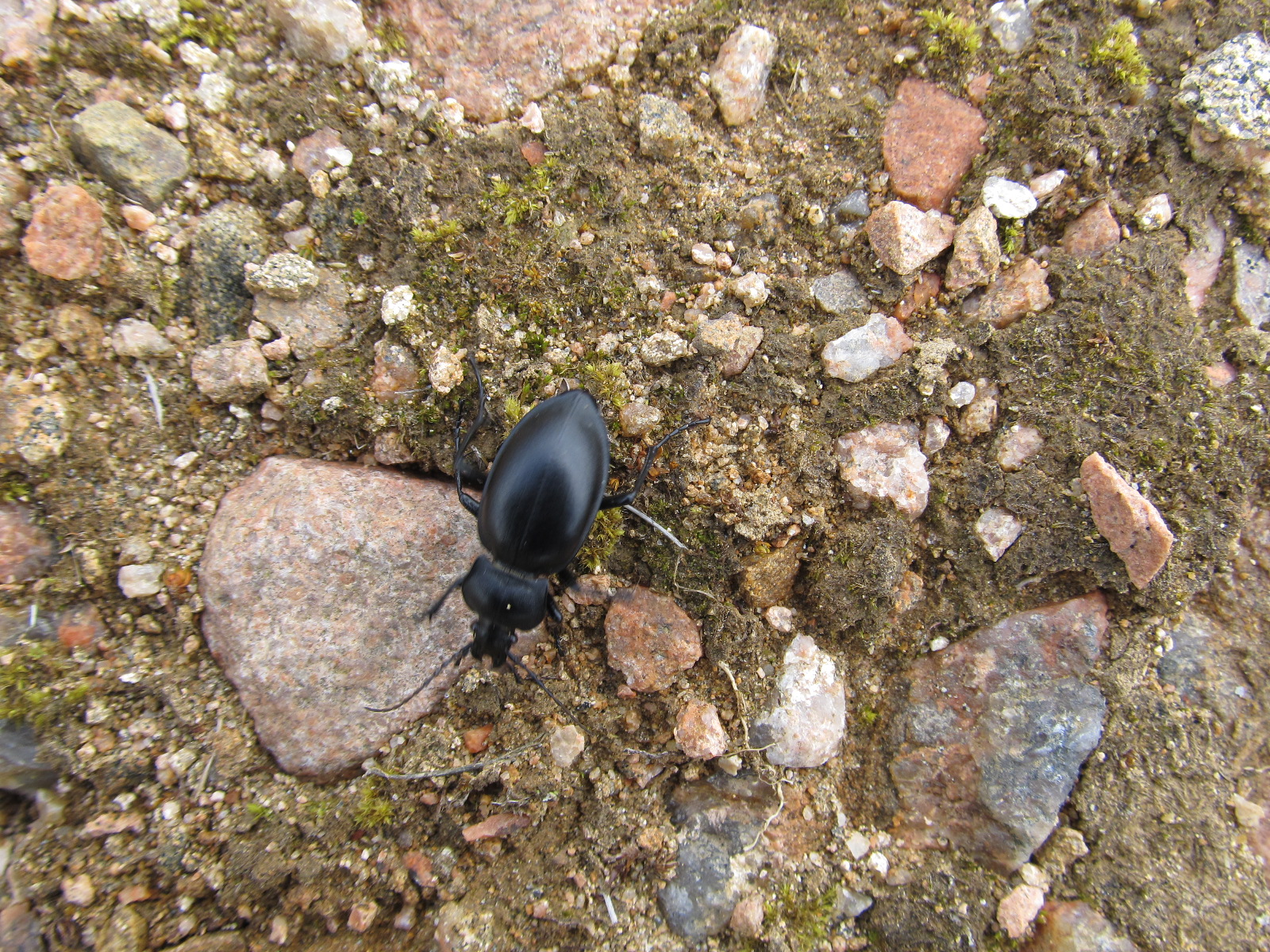
The rolled up astroturf provides a great little shelter for all sorts of beasties to make their homes in to escape from predators. Among the rafts of caddisfly larvae there were also water fleas, diptera larvae (more commonly known as bloodworms), the odd small leech, one gammerus (freshwater shrimp), mites and some teeny tiny black beetles. Some required a little persuasion to get between the ends of my forceps and into the tube!

Caddis case with a glorious surrounding lawn!

Among all the usual suspects there was a large flying insect which seemed happy rowing along in the water, but myself and my housemates had some difficulty trying to identify. However, rather than being some amazing bog beast new to science it turned out to be a half-hatched caddisfly...you live and learn!

The beast of Clar loch

On Monday I was back in the woods doing dipwell surveys again and I'll be doing the same tomorrow and Friday, hopefully avoiding getting stuck or losing a welly in the boggy pools this time!

Today was quite exciting as the team were getting some training from Colin Bean at SNH in how to carrying out fish surveys in the loch using gill and seine netting. The aim is to catch, mark (by snipping off a little bit of the fish's adipose fin) and then release so that the RSPB can get an idea of the fish populations of the lochs. This is to assess how much impact the fish might have on the food web of invertebrates and the Common Scoters. We had a couple of non-starters with the netting at first but then we hit the jackpot, and hopefully once my camera has dried out I'll tell you all about it next time.


Thursday, 8 August 2013

Forsinard Forests

The update on the water situation here is still that we haven't got much....we've got plenty bottles to use for cooking and washing but the 4 of us have had to visit a bunkhouse about 15 mins drive away to get a nice hot shower. After walking the whole day on the bog carrying about 20kilos of kit its such a luxurious relief to be clean at the end of the day!

Anyway enough moaning, I'll tell you what I got up to yesterday and today.

From forest...
To bog! (almost)
As I mentioned previously,the RSPB is undertaking a 'Forest to Bog' project, and as a result a variety of surveys need to be carried out. Yesterday I was out with Paul Stagg in Dyke forest checking dipwells. This is to check moisture levels in dammed and undammed areas of forestry to see if conditions are right for sphagnum and other mosses to colonise the area and transform it to bog once the trees have been felled. It involves following a map of 20 marked dipwell locations throughout the forest, with a tray to sit on, a meter stick with a tube attached, moisture meter, thermometers and various forms to fill in. Once you get there you need to measure the depth of any water in the well by blowing through the tube as you lower it and stopping when you hear bubbles, fight off the midges, stick the moisture meter and thermometer in the ground and take readings. Not too difficult but being left in a massive forestry area on your own in the gloom is quite exciting.

Measuring intently
Hey, check this thermometer!


There was a lot of crazy fungi action...


...and a couple of froggy friends to keep me company!

Today I was back on the Loch with Mark Hancock who was taking sediment grab samples while I collected invertebrate colonisation traps. There are 10 quadrats around the loch, which consist of two bricks on a length of rope stretched out into the loch. The bricks have two small rolled up pieces of astroturf cabletied to it which provides a nice cosy environment for invertebrates such as caddisflies to move into.
The turf and any moving things are tweezed off the brick and washed out the net and then bagged and tagged ready for me to sort out tomorrow!

A colonised brick

Caddisfly, out of its case

Lovely example of a Caddisfly case on a piece of vegetation

One of the best things about today was the variety of wildlife we spotted. On our way out in the morning I saw a water vole scurrying away up the bank! It was like a massive dark moley rat. We also saw a Merlin, Peregrine Falcon, Kestrel, two broods of Common Scoters and a couple of Black-Throated Divers.

 
Merlin in flight
 
CLEG!
Today was light on the midge front, but I was served some bitey realness by the horseflies, or clegs as they are commonly known. They have the most horribly well adapted mouthparts which part fur and hair and slice your skin up enabling them to have a good sook at your lifejuices while you flail ineffectually.
Hopefully tomorrow it will just be the midges I'll need to deal with as I'll be in the shed all day sorting through samples and drinking tea.

Tuesday, 6 August 2013

Forsinard flies!


What am I doing?

Oh yeah, I'm up in the far north of Scotland volunteering for two weeks at the RSPB's Forsinard Flows reserve!
The majority of the work involves transforming areas of forestry back into bog by cutting trees and damming drains to allow the water to collect in the peatland. The bog is an important habitat for many species of wading birds such as Golden Plover, Dunlin and Greenshanks as well as the rarer Common Scoter (a type of duck). You can read more about the reserve and plans for it here.


So far I have checked camera traps by the lochs, set stickleback traps (and caught none yet) and taken water and area temperature and depth measurements, and had a visual scan for any invertebrates. On my travels over the bog so far I've seen toads, common lizards, greenshank, meadow pipit, merlin, raven, frogs, wheatear, different species of dragonfly, ground beetles, and a shrew. It looks a bit bleak but it's a great place for nature. At the volunteer cottage ('Keepers') we've also been dealing with a lack of water due to a long period of drought up here over the past few weeks, so here's hoping it rains for once!


I've leave you with a few more photos for now while I'm happily getting my face gnawed by midges :)


Tuesday, 30 July 2013

Ere be dragons!

I'm back from our London trip which was mostly a success in that we went to a fantastic wedding and museums but unfortunately didn't get to visit the Grant Zoology museum because of conflicting opening times :( Next time!

We did however have time for a quick nip round the Natural History Museum to visit some of the bits we missed last time.

One of the parts of the museum that I'll never fail to impressed with is the level and quality of architectural decoration both inside and out. Gorgeous representations of all sorts of animals and natural textures abound and the level of detail just blows me away.

 First thing's first, had to hang with my man Darwin again before scurrying off to gawk at everything we could in the 2 hours we had before the wedding.


  This year the NHM are celebrating Alfred Russel Wallace in a year long Wallace100 celebration. For the uninitiated among you, along with Charles Darwin, Wallace independently also came up with the theory of evolution by natural selection, and in the end both agreed to have their ideas presented at the same time at the Linnean society. There are many artifacts on display pertaining to Wallace's discoveries from around the globe, however sadly two years worth of specimens were lost in a fire on his ship which was returning from the Rio Negro in Brazil.
These butterflies and moths were from his adventures in Indonesia at a later date.


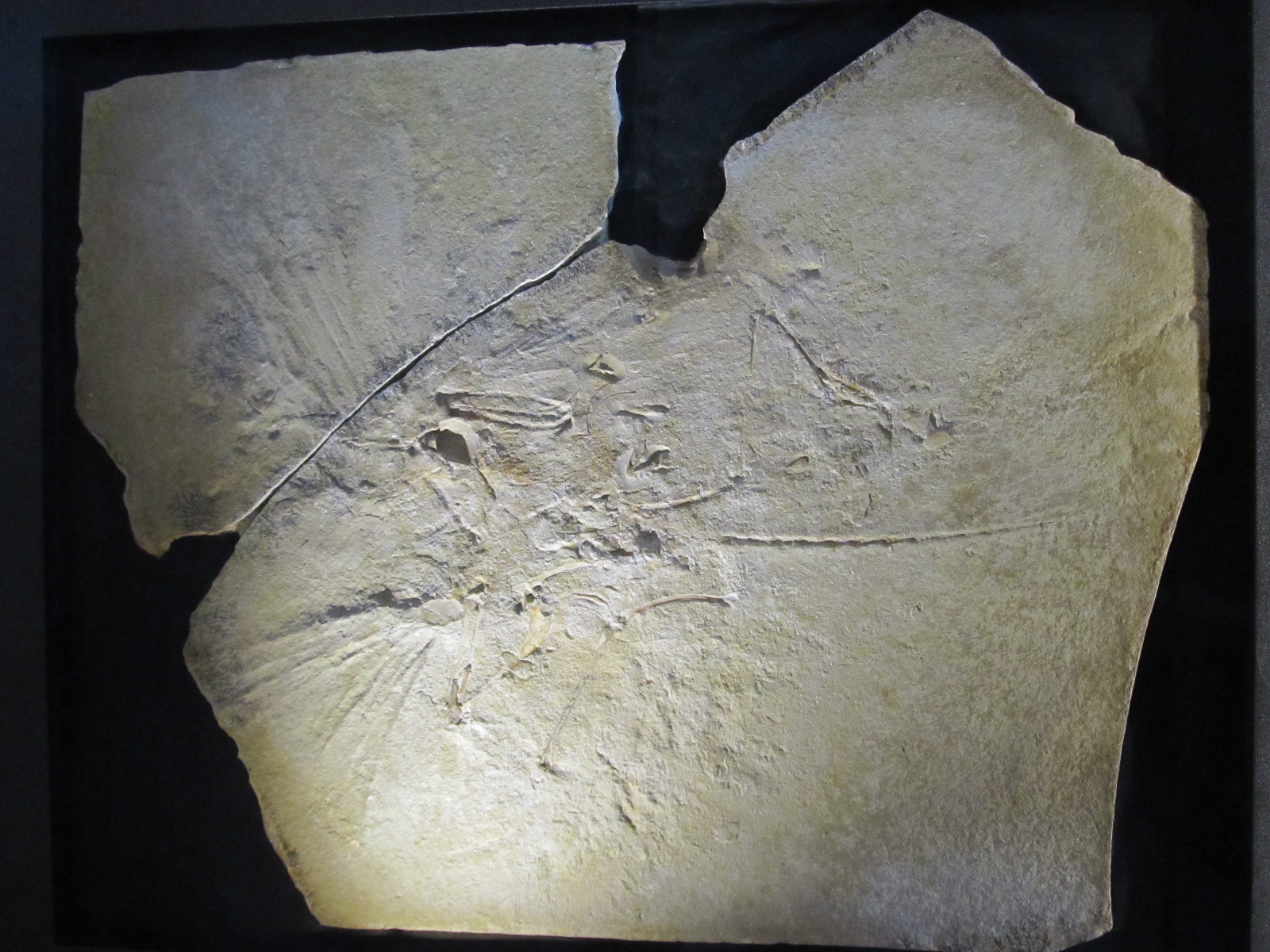
A fossil of Archeopteryx, the first bird. Casts were able to be made of its brain and from the structure it was determined that this little rascal was indeed capable of flight.


This guy is a Golden Mole, native to southern Africa and not related to European moles. They live in deserts and eat termites and other insects, using smell and vibration to find their prey.


It's always a pleasure to look at taxidermy on display in museums, and even more so when original older specimens which might have faded or been a bit lumpy and slightly odd looking are still used. The NHM has signage up explaining "The Museum is concerned about the conservation of animals in the natural world and no longer collects skins for taxidermy displays.  The specimens in these displays are from the museum’s historical collections – consequently some are faded or show other signs of their age.  We feel it is more important to rely on these collections for display, even though they may not fully reflect the natural appearance of the living animal."


This bird however is not faded, but is an example of an albino puffin!


Our next stop was the Crystal Palace park in South London, on an island there lurks a variety of huge concrete dinosaurs! These were created by fossil expert Benjamin Waterhouse Hawkins and Richard Owen, the founder of the Natural History Museum (and coiner of the word 'Dinosaur'!), when the park opened in 1854 and are the first sculptures of dinosaurs in the world.


This guy is a representation of a plesiosaur - probably Nessie's cousin ;)


Labyrinthodons, which were based on frogs!


  Megaloceros or Irish Elk.
 Jumping in front of a group of inaccurate Iguanadons!

Ducks using this turtle-like Dicynodon as a nest.


We next ventured to The Horniman Museum as I was keen to see some of Edward Hart's examples of bird taxidermy up close. I had read in A History of Taxidermy: Art, Science & Bad Taste by Pat Morris that his work was some of the most detailed and showed the birds in their natural habitats before they were shot. Another thing we wanted to see was the overstuffed Horniman walrus but he was apparently on holiday at a museum in Margate so we were disappointed in that respect.


This pair of Bitterns in a snowy scene was one of my favourites. There is also a case with woodcocks by a canal which has great depth to it but it was too dark to get a decent photo - you can read about it here though.


This marine iguana was labelled as a 'Galapagos Sea Lizard'!


I took this one as it looked pretty useful for taxidermy anatomy.


Tenrics are mental animals that share a common ancestry with elephants, sea cows and aardvarks. I'm not sure that they smile like this naturally though.


 Another thing I loved about the Horniman was its displays of evolution and different strategies that species have to move, eat and defend themselves.

Next time we visit London I plan to visit NHM @ Tring for more taxidermy viewing and eventually get to see Grant's Zoology Museum!


On Saturday I'm off on an adventure to Forsinard, Sutherland to spend a couple of weeks volunteering with the RSPB doing fish and invertebrate surveys - should be fun and hopefully I'll be able to give you updates of what I get up to while I'm there.